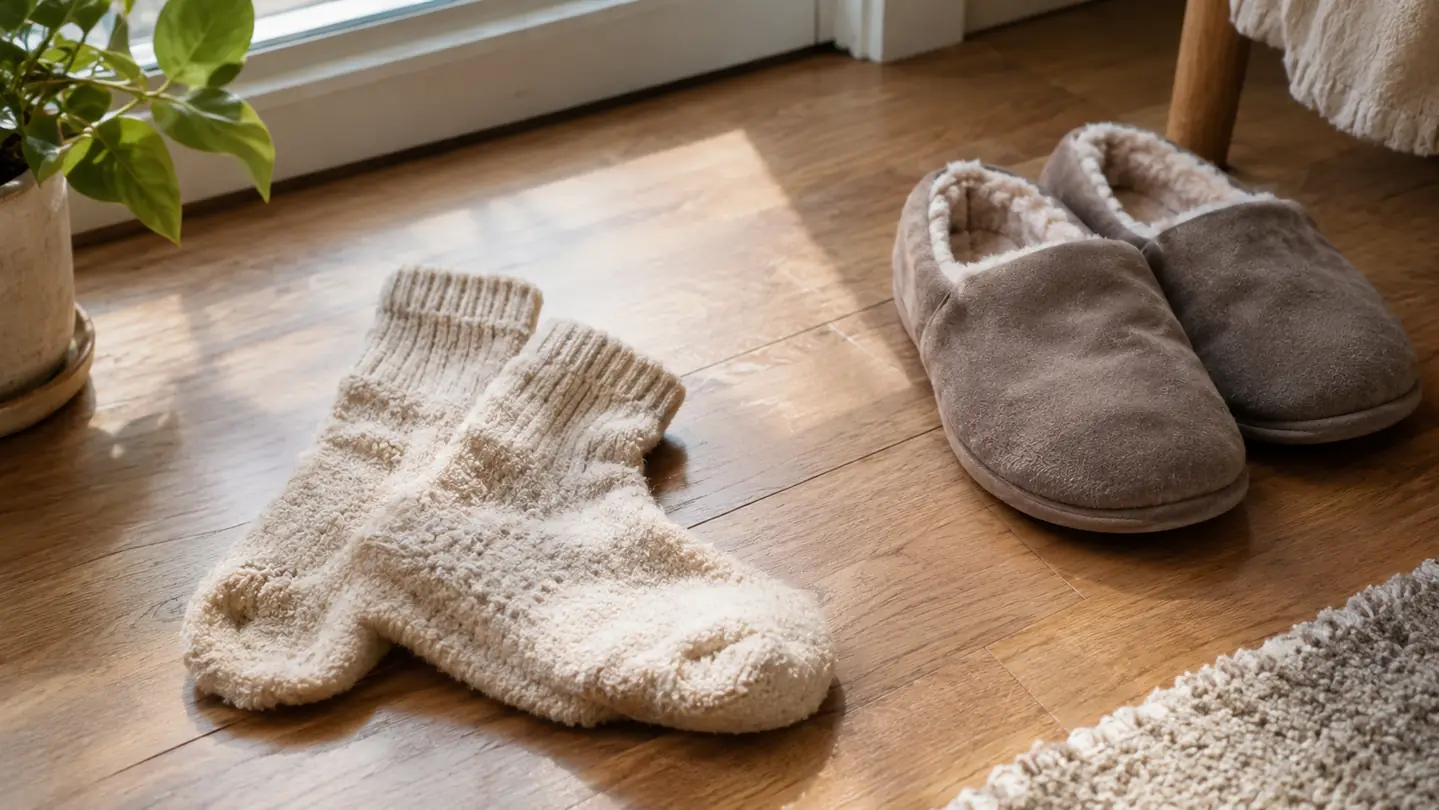
My husband Dale has type 2 diabetes, and for the last couple of years his feet have been getting more sensitive. He is a big guy, size 12 wide, and he used to come home from work and pull off his socks with a wince. The elastic marks around his ankles were deep enough that I could see them from across the room. So when I ordered a pack of Dr. Scholl's Men's Diabetic and Circulatory Non-Binding Cushioned Socks, I told him they were an experiment. Six months later, they are the only socks he reaches for.
I have lived with peripheral neuropathy in both feet for about eight years, so I know what it means to be careful about what touches your skin. I also know that a sock is not a treatment. It cannot fix nerve damage or restore feeling. What it can do is remove one more source of pressure and irritation, and for feet that have lost some sensation, that matters more than most people realize.
The Quick Verdict
A well-made, non-binding sock that holds its shape through months of washing and keeps pressure off the ankles and shins. Not a treatment for neuropathy, but a genuine comfort win for daily wear.
Amazon Check Today's Price →If your socks leave marks on your ankles, these are worth a try
Dr. Scholl's Men's Diabetic and Circulatory Non-Binding Cushioned Socks are the pair my husband has worn every day for six months. They are not a cure for neuropathy, but they are a simple way to cut down on pressure and irritation.
Amazon Check Today's Price on Amazon →How I've Used It
Dale has worn these socks nearly every day since the pack arrived in early spring. He wears them for his morning walk, for errands, and around the house. He walks about 20 minutes most mornings, the same route I take, and the socks stay put the whole way. I wash them on warm with the rest of our laundry and tumble dry them on low, which is what the care label recommends. After six months and somewhere around 60 wash cycles, the elastic at the top still has its shape and the cushioning under the foot has not gone flat.
The first time he put on a pair, he stood still for a second and then said, "These don't grab." That was the moment I knew the experiment was working. His old socks had a tight band that squeezed his ankles all day, and he had gotten so used to the feeling that he thought it was normal. The Dr. Scholl's socks have a wider, looser cuff that stays up without digging in. He wore them for a full day that first Saturday, and when he took them off that evening, there was no red line around his ankle. He wore them to work that first Monday, and when he got home he said his ankles felt less tired. That sold me more than any feature list.
I check his feet every evening with a hand mirror, the same way I check my own. We look for red spots, blisters, or any change in the skin. I can honestly say the sock seams have never left a mark on him. The toe seam is smooth, the top of the sock does not dig in, and the cushioning sits under the ball of the foot where he needs it most. On days when he is on his feet a lot, like when we spent an afternoon walking around the Tulsa State Fair, he did not complain once about his socks. I keep a small notebook in the bathroom drawer where I jot down anything we find, and the page for the last six months has been mostly empty.
One thing I want to be clear about: these socks did not change the numbness in his toes or the tingling he gets at night. Nothing I have tested has done that. What they did change was the daily irritation. He stopped complaining about his socks, and for a man who used to yank them off the second he got home, that is a real difference. He still checks his feet every night, and we still call the podiatrist if anything looks off, but the socks made the everyday part easier.
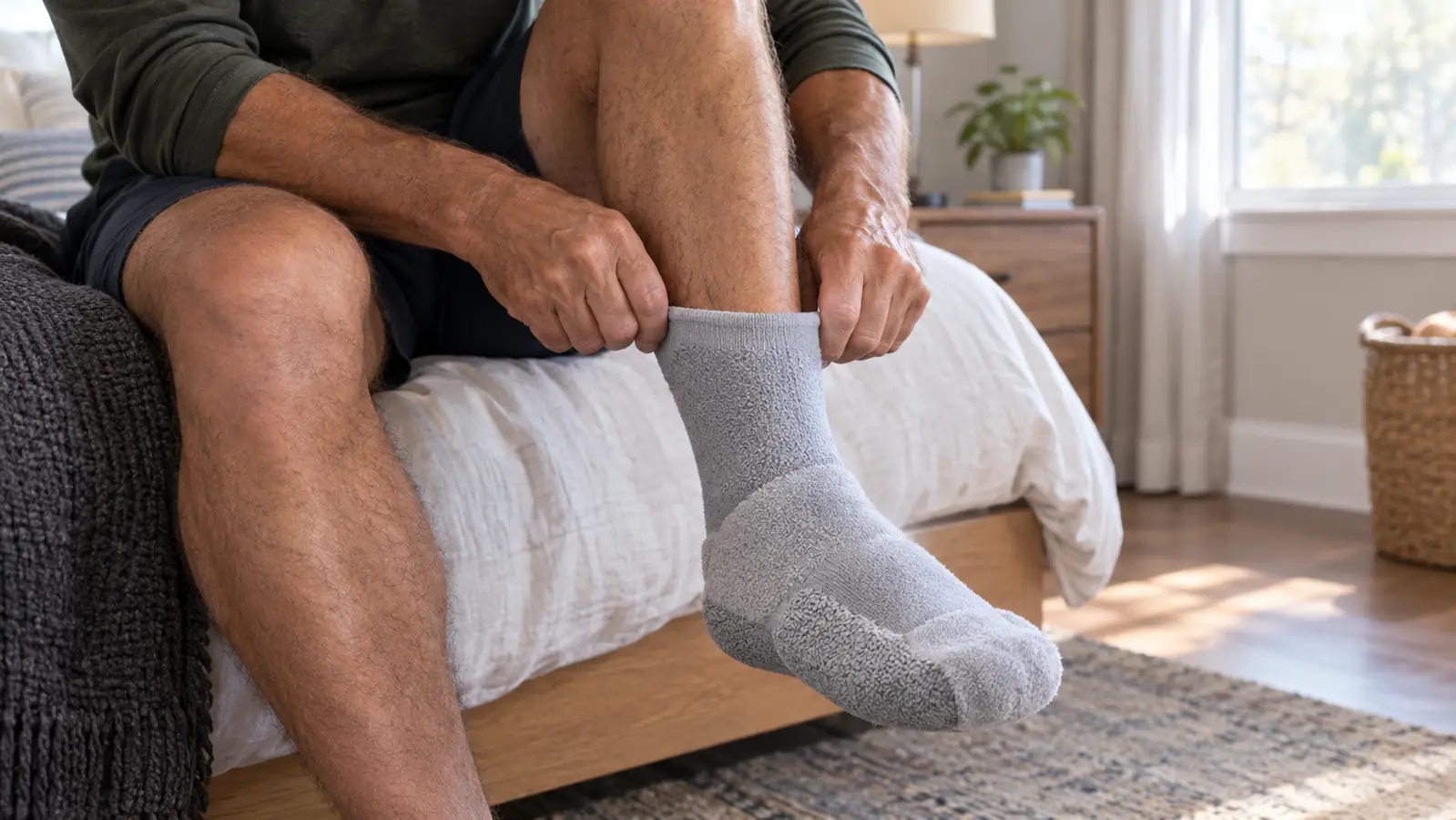
What Makes a Sock Non-Binding, and Why It Matters
The phrase non-binding gets thrown around a lot, but it means something specific. A regular sock has a tight elastic band at the top to hold it up. On a healthy foot, that is fine. On a foot with reduced circulation or reduced feeling, that band can act like a tourniquet. It presses on the same spot for hours, and if you cannot feel the pressure, you may not notice the damage until it becomes a sore.
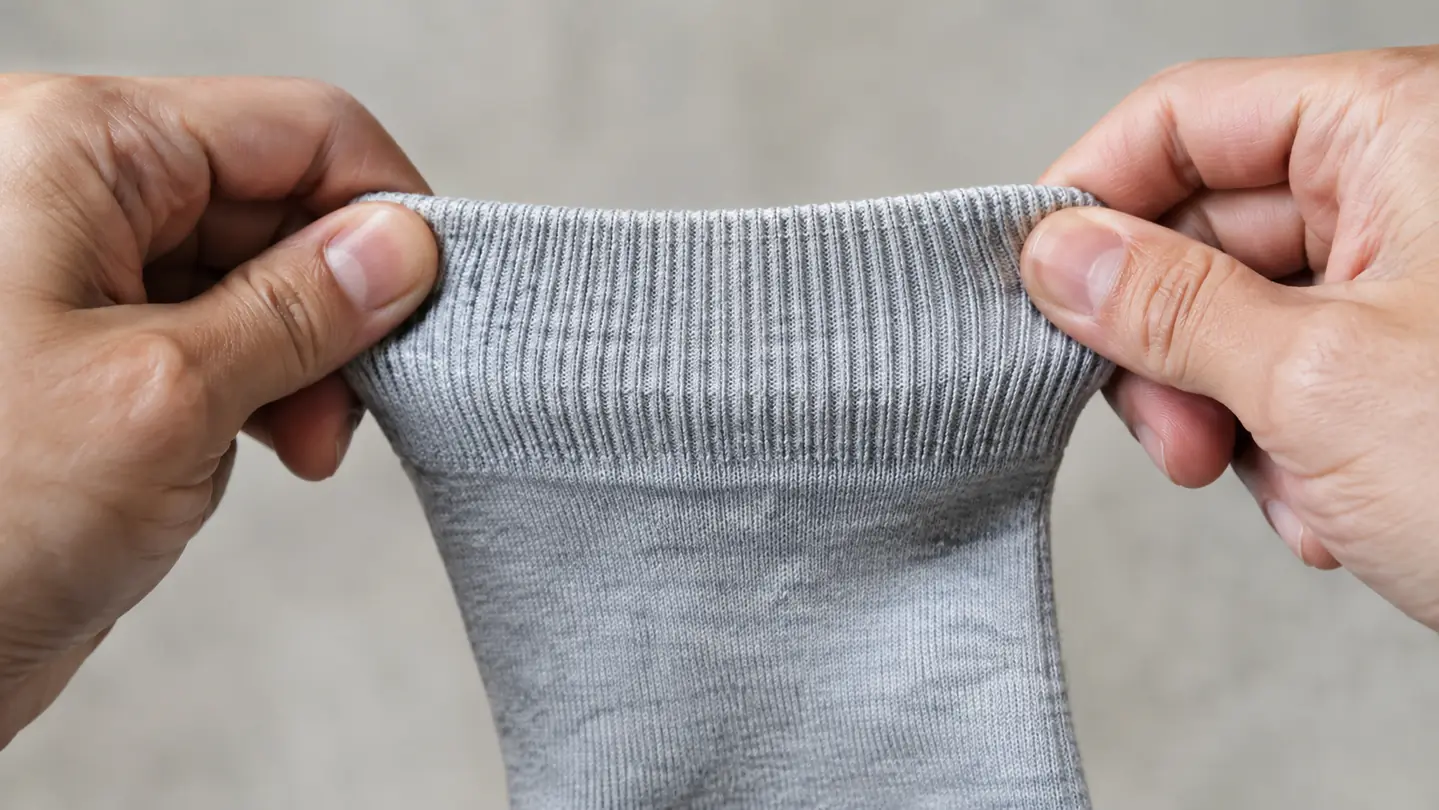
Dr. Scholl's makes these socks with a wider, looser top that holds them up without squeezing. The cuff is still snug enough to stay in place, but it does not leave a groove in the skin. I tested this myself by pulling the top of the sock away from Dale's ankle after a full day of wear. There was no mark, no red line, no indentation. That is the whole point of a non-binding sock, and these do it well.
To compare, I pulled out one of his old socks from the back of the drawer. The band on that one measured about an inch across and felt stiff when I stretched it. The cuff on the Dr. Scholl's sock is wider and softer, and it stretches without snapping back hard. I wrapped both around my fingers for a minute. The old one left a deep crease. The Dr. Scholl's one left nothing. That little test convinced me more than any label ever could.
The other detail that matters is the toe seam. A thick or raised seam can rub against the toes all day, and on a foot with reduced sensation, a rub can turn into a blister before you notice it. The seam on these socks is smooth and flat. I turned one inside out to check, and there is no bulky ridge pressing against the skin. I have washed them dozens of times and the seam has not gotten rough or started to fray.
How They Held Up Over Six Months
I have tested a lot of socks over the years, and most of them fail in one of two ways. Either the elastic goes slack after a few washes and they slide down into the shoe, or the cushioning flattens out until they feel like any other thin sock. These Dr. Scholl's socks have done neither. The cuff still sits where it should at the end of the day, and the padded sole still has noticeable give when I press my thumb into it. I also weighed one of the socks on our kitchen scale when it was new, just out of curiosity. After six months of washing, it weighs about the same, which tells me the padding has not broken down.
The fabric has held up well too. There is no pilling along the heel or toe, no thinning where the foot rubs against the back of a shoe, and no fraying at the edges. Dale wears a wide size, and the socks have enough stretch to fit without feeling tight across the top of his foot. He has not worn a hole in a single pair, which is more than I can say for the last two brands he used. One pair went through a wash with a stray nail file in the drum, and the nail file put a small snag in the fabric. That was our fault, not the sock's, and the snag never grew into a hole.
One honest note: these are not the thickest socks I have ever felt. They are cushioned, but they are not a heavy winter sock. On cold mornings Dale wears them with his regular shoes and his feet stay comfortable, but if you are looking for a thick boot sock for deep winter, this is not that. For everyday wear, the cushioning level feels right.
Another thing I noticed is how they dry. Some socks come out of the dryer stiff and rough, especially around the heel. These come out soft, and they stay soft. I have also washed them with towels and with jeans, and they have not picked up a lot of lint or pilled on the surface. That matters to me because Dale wears them all day, and a rough patch inside a sock is exactly the kind of thing that can irritate a sensitive foot before you feel it. On humid summer days, they are warmer than a thin dress sock, so Dale saves them for mornings and evenings and wears a lighter pair in the heat of the afternoon. That is a small tradeoff, not a dealbreaker.
The Daily Routine That Matters More Than the Sock
I want to say this plainly, because it is the most important thing I have learned in eight years of living with neuropathy. No sock, insole, or massager replaces a daily foot check. I check both of my feet every evening with a hand mirror, and I check Dale's too. We look for cuts, blisters, red spots, or any change in the skin. If we find anything, we call the podiatrist. That routine has caught more problems than any product ever has. Our podiatrist gave us a little card with a checklist, and we follow it the same way every night: top of each foot, between the toes, the sole, and the heel.
Dale sees his podiatrist every three months, and I do the same. At one visit last summer, the doctor pointed out a small red spot on the side of Dale's heel that we had caught early. It was not from the socks, but it reminded us why we look. A sock can protect the skin and keep it comfortable, but it cannot see a problem or tell you when something is wrong. The daily check is the part that keeps us safe.
A good sock helps by removing one source of pressure and friction. It keeps the skin protected and comfortable. But it cannot tell you what is happening on the bottom of your foot, and it cannot heal a sore that has already started. If you have diabetes or neuropathy, please check your feet every day and talk to your doctor or podiatrist about any new symptom, sore, or change in feeling.
Who This Is For
These socks are for anyone with diabetes, neuropathy, or simply feet that are tired of tight elastic. They are especially good for people who notice red marks or indentations around their ankles at the end of the day. If you spend a lot of time on your feet, the cushioning under the ball of the foot and heel makes a real difference. And if you are buying for a man with wide feet, the stretch in these socks accommodates a size 12 wide without squeezing. Even on days when he is mostly sitting, the cushioning keeps the bottom of his foot from pressing against a hard shoe sole.
In our house, they have become the default pair. Dale wears them with tennis shoes on his morning walk, with loafers when we go out, and around the house with slippers. He has a pair in the drawer for every day of the week, and he grabs them without thinking. That is the highest compliment a sock can get. If you are looking for a simple way to cut down on pressure and irritation, these are a good place to start.
Who Should Skip It
If you need a heavy, thick sock for cold weather or heavy work boots, these are not the right choice. They are cushioned, but they are not insulated, and they are not built for a steel-toed boot in January. If you have an active foot sore, a blister, or any open wound, do not rely on a sock to fix it. See a doctor or podiatrist first. That is not negotiable.
And if you are looking for a product that claims to treat or reverse neuropathy, skip this and skip anything else that makes that promise. No sock can do that. What these socks can do is make daily wear more comfortable, and for us, that has been worth it. They are a tool in the routine, not a replacement for the routine.
What I Liked
- Non-binding top leaves no marks on the ankles, even after a full day of wear
- Smooth toe seam reduces rubbing against sensitive toes
- Cushioning under the ball of the foot and heel held up through about 60 washes
- Stretchy enough to fit a wide foot without squeezing
- Durable fabric with no pilling or holes after six months of daily use
Where It Falls Short
- Not a heavy winter sock, so not ideal for very cold weather or thick boots
- Does not treat or change neuropathy symptoms, only reduces pressure and irritation
- The pack runs a bit warm for hot summer days
After a full day of wear, there was no mark, no red line, no indentation on his ankle. That is the whole point of a non-binding sock, and these do it well.
A simple change that removes one more source of pressure
If your socks leave marks on your ankles or your feet are sensitive to tight elastic, Dr. Scholl's Men's Diabetic and Circulatory Non-Binding Cushioned Socks are worth a try. They are not a cure, but they are a comfortable everyday choice.
Amazon Check Today's Price on Amazon →