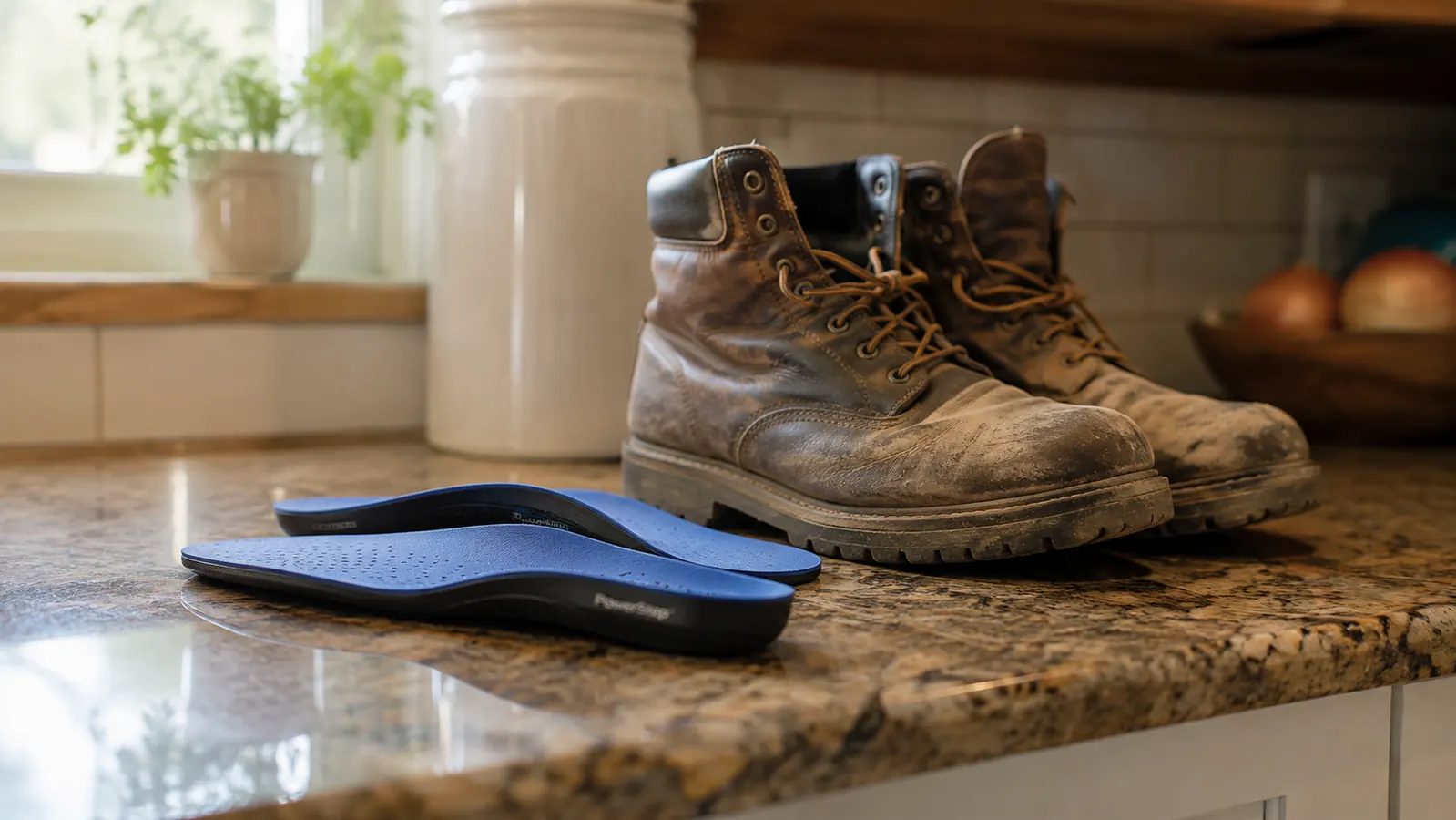
If you live with neuropathy and you spend any part of your day on your feet, you have probably stood in the drugstore aisle trying to decide between a soft pair of memory foam insoles and a firmer pair like the Dr. Scholl's Heavy Duty Support Insoles. I have bought both. I have worn them in my own walking shoes, and I have watched my husband Dale wear them through long days at his workbench and across our hardwood kitchen floor. The honest short answer is that these two insoles are solving different problems, and the right one depends on your weight, your shoes, and how many hours you stand.
Memory foam feels wonderful for the first week. The Dr. Scholl's Heavy Duty insoles, in the Big & Tall version we tried for Dale, do not feel soft at all at first. They feel firm, like a real support device. But they hold their shape for months, they are built for people over 200 pounds, and they give a heavy person's feet the structure that soft foam cannot. If you are a bigger person standing on hard floors all day, I would start with the Dr. Scholl's pair. If you want a plush first step in a casual shoe and you are not carrying extra weight, memory foam might be all you need.
| Dr. Scholl's Heavy Duty | Memory Foam Insoles | |
|---|---|---|
| Support and structure | Firm base, real arch support, dense heel area | Soft and flexible, very little structure |
| First-step feel | Firm, takes a few days to break in | Plush and cushioned from the first wear |
| Built for heavy weight | Made for people over 200 lbs | Not weight-rated, compresses quickly under heavier loads |
| Wide feet | Big & Tall cut, men's sizes 8 to 14, extra room | Standard cut, often narrow for a wide foot |
| Long-term durability | Dense materials hold their shape for months | Foam flattens within a few weeks of daily wear |
| Everyday price | Higher upfront cost | Usually the cheaper buy |
| Best for | Long days on hard floors, work boots, heavy people | Short errands, casual shoes, light use |
| Shock absorption | Engineered to spread pressure and absorb impact | Soft at first, but bottoms out on hard floors |
How I've Used Both
A little background so you know where this is coming from. I am Carol, I am 63, and I have had type 2 diabetes for fifteen years and peripheral neuropathy in both feet for about eight. My husband Dale is 66, a retired machinist, and he has early neuropathy as well. He is a big guy, over 200 pounds, with men's size 12 wide feet, and he is on his feet most of the day in our garage and our kitchen, which has hardwood floors. We check both of our feet every evening with a hand mirror, and we both see a podiatrist every three months. That routine matters more than any insole I have ever bought.
Dale wore a plain pair of memory foam insoles for about two months first, then switched to the Dr. Scholl's Heavy Duty Support Insoles in the Big & Tall size, which are made for men's sizes 8 to 14 and for feet that need extra room. I wore the memory foam pair in my walking shoes for the same stretch, and I also spent time in the Dr. Scholl's pair in a roomier pair of shoes, even though they are cut for men. That gave me a sense of how both feel on two different sets of feet, including feet with the numbness and burning that neuropathy brings.
One thing I want to be straight about: no insole fixes numb toes or the burning that shows up at night. If a product promises that, walk away. What a good insole does is give your feet a stable, protected surface so they are not taking the whole impact of the day. That is the standard I judged both of these by. Comfort is part of it, but so is how the insole holds up over months, because a support aid that flattens in three weeks is not doing its job, and a support aid that shifts around in your shoe is worse than none at all.
What They Feel Like Day to Day
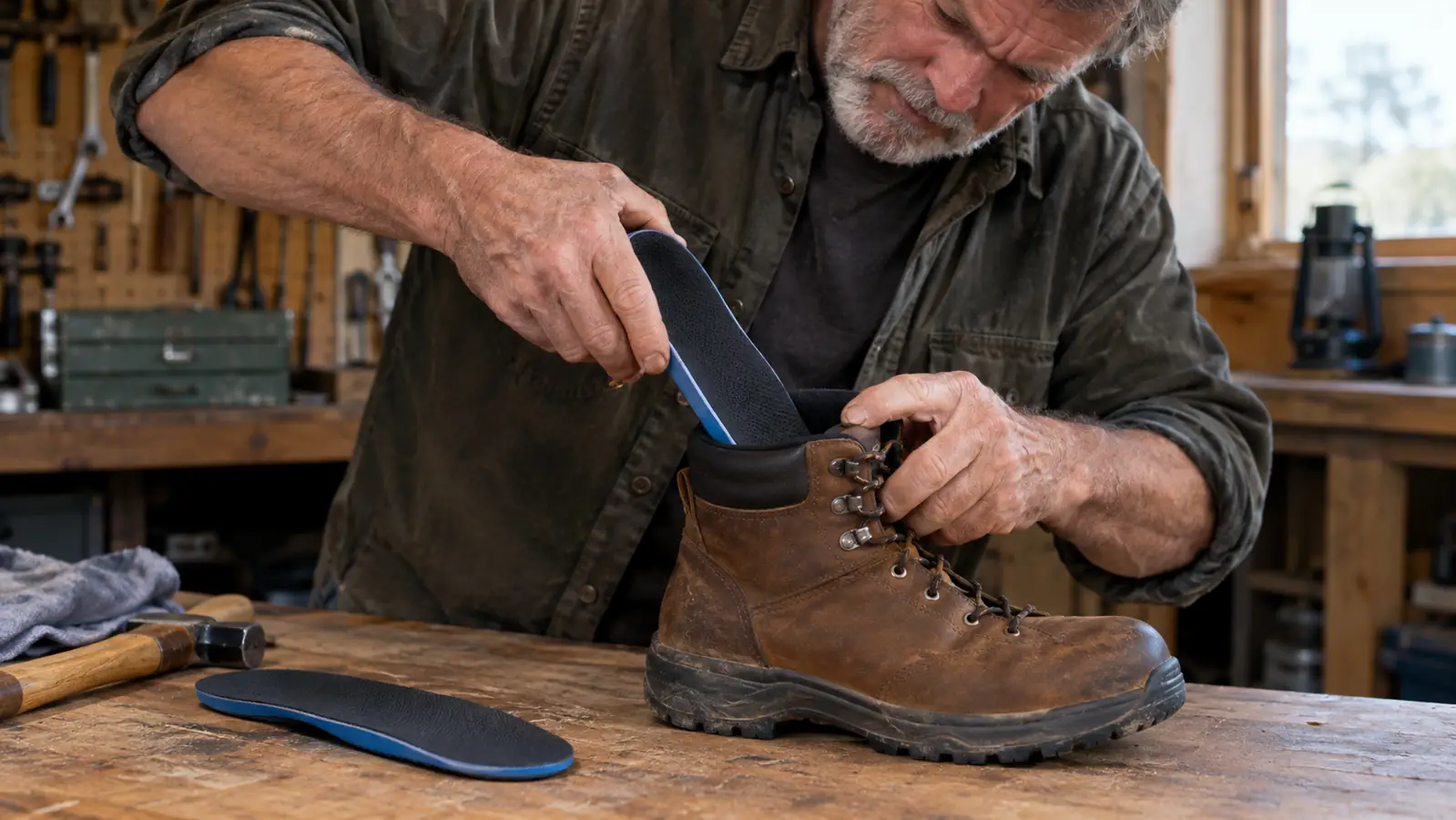
The easiest way to understand the difference is to press your thumb into each insole. Memory foam gives way slowly and springs back slowly, like a pillow. The Dr. Scholl's insole is firm and springs back quickly, like a good running shoe sole. In a shoe, that means memory foam hugs your foot and feels soft, while the Dr. Scholl's pair holds your foot up and keeps your heel from sinking into the shoe. If you have ever stood on a firm, supportive surface and felt your arch carried, that is the second feeling. If you have ever stepped onto a plush bath mat, that is the first one.
Dale's first comment on the Dr. Scholl's pair was that they felt hard. His second comment, about a week later, was that his feet were less sore at the end of the day. The break-in is real. For the first few days, the firmness can feel like too much, especially if you are used to soft insoles. That usually fades as your feet adjust. If it does not fade after a week of steady wear, the insole may simply be too firm for you, and that is useful information too. No insole is worth forcing your feet to tolerate.
For me, with mostly numb toes and the balls of my feet, the difference is more subtle. I do not feel the softness of memory foam the way someone with full feeling does, and I do not feel the firmness of the Dr. Scholl's pair as harshly either. What I do notice is stability. A firmer base means my foot does not slide around in my shoe, which matters when you cannot feel exactly where your toes are. Less sliding means less friction, and less friction means fewer chances for a hot spot to turn into a blister I would not notice until it was already sore.
Where Dr. Scholl's Heavy Duty Wins
The biggest difference between these two is structure. The Dr. Scholl's Heavy Duty insole is dense and supportive, with a firm arch and a heel area that does not collapse under pressure. For Dale, who is over 200 pounds, that matters more than softness. Memory foam felt fine in the store and fine for the first few days, but under his weight it flattened out fast. Within a few weeks he could press his thumb into the heel and feel how much give was left. The Dr. Scholl's pair, by contrast, felt the same after three months of daily wear. That is the durability difference, and it is not a small one.
The other place Dr. Scholl's wins for us is on hard floors. Our kitchen and hallway are hardwood, and the garage is concrete. A heavy person walking on those surfaces needs shock absorption that does not disappear halfway through the day. The dense material in the Dr. Scholl's insoles spreads pressure across the whole foot, and Dale noticed it most at the end of the day. His feet were less tired, and the burning he usually feels at night was not as intense. I want to be careful here. That is one person's experience, and his neuropathy is mild. But he noticed it, and he has kept wearing them every day since. For a man who does not complain about much, that is the closest thing to a review I am going to get.
Where Memory Foam Wins
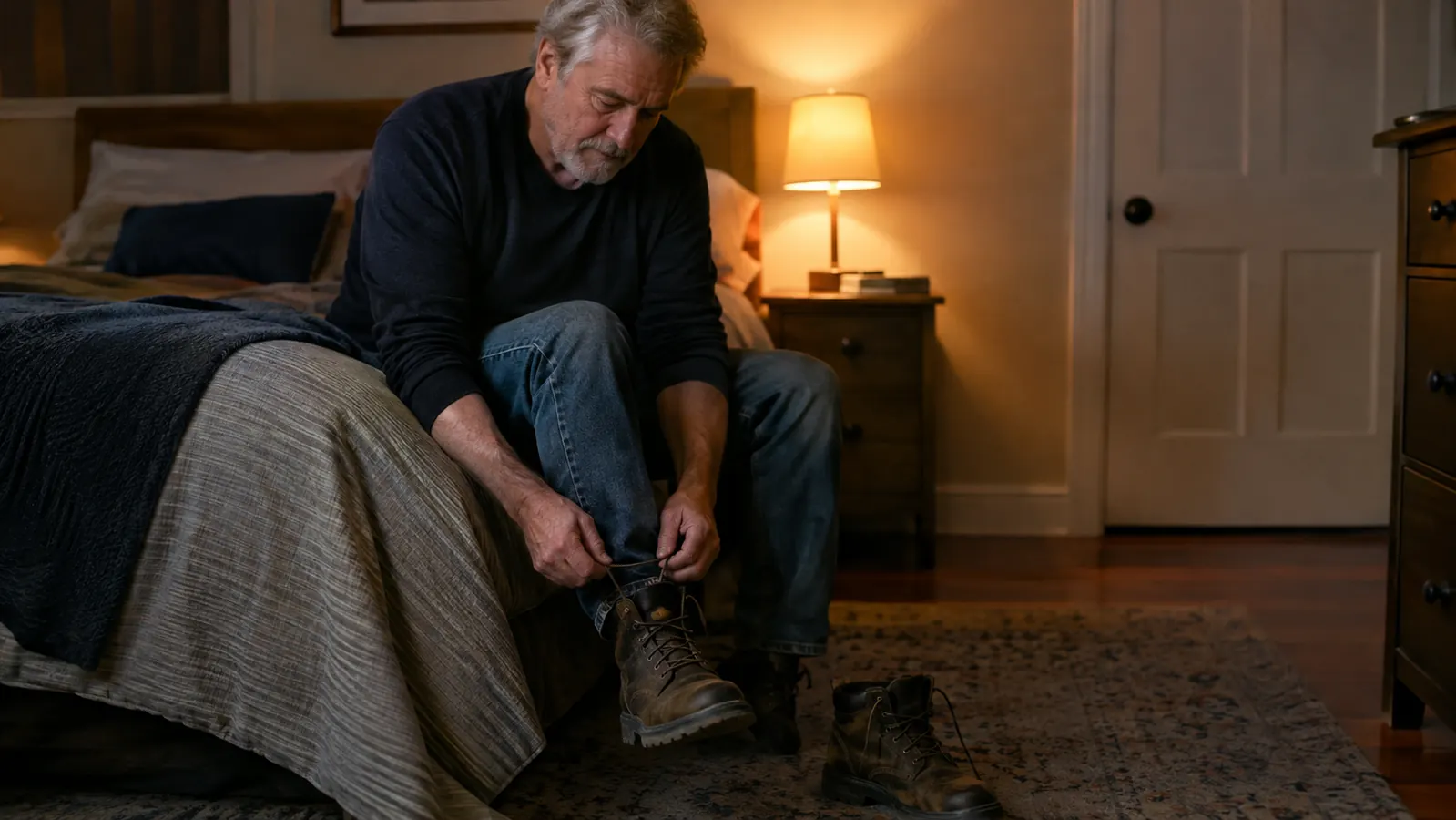
Memory foam has one job and it does it beautifully: it feels soft. The first time you step down on a fresh pair, there is a plush, quiet comfort that a firm insole cannot match. For someone with sensitive feet who is not carrying extra weight, and who is not standing on concrete for eight hours, that softness may be exactly the right thing. Memory foam is also usually the cheaper option at the register, which matters if you are not sure insoles will help you at all and you want to test the idea without spending much.
The tradeoff is that the softness does not last. In our house, a pair of memory foam insoles worn every day was done after a few weeks. The foam compressed, the edges curled, and the cushion turned into a thin pad. When you replace them that often, the low price stops being such a bargain. Memory foam also gives very little arch support, which matters if your feet roll inward or if a doctor has told you that you need more structure. And for anyone with numbness, I would add one caution: a very soft insole that lets your foot sink can make it harder to feel where your foot is inside your shoe, and that feeling is part of how you protect yourself.
The pair we keep coming back to: Dr. Scholl's Heavy Duty Support Insoles
If you are over 200 pounds, on your feet all day, or tired of insoles that flatten in a month, this is the pair that held up in our house. Trim to fit, built for men's sizes 8 to 14, and made for wide feet and work boots.
Amazon Check Today's Price on Amazon →Who Should Buy Which
Buy the Dr. Scholl's Heavy Duty insoles if you are a bigger person, if you stand on hard surfaces for hours, if your shoes are work boots or roomy everyday shoes, or if you have tried soft insoles and watched them flatten. Dale is the example I keep coming back to: men's size 12 wide, over 200 pounds, on his feet most of the day. The Big & Tall cut gives his wide foot room to sit properly, and the firm support holds up under his weight. He wears them every day and has already asked for the same pair again when the first ones wear out.
Buy memory foam insoles if you are on the lighter side, if your days are mostly sitting or driving with short walks mixed in, if you want the softest possible first step, or if you are just testing whether any insole helps your feet at all and you want to spend as little as possible to find out. There is a place for them, and I am not going to tell you they are worthless. They are just not a substitute for real support, and they will not last as long under steady use.
A Note for Neuropathy Feet
Because this article is written for people who live with neuropathy, I want to end with the part that matters more than any insole. If you have diabetes, check your feet every single day. I use a hand mirror for the bottoms and run my fingers over every toe. Look for blisters, sores, redness, calluses, or any change in feeling. Do not wait for a sore to hurt, because with numbness it may not. If anything looks off, even a little off, call your podiatrist. Insoles like these make a long day more comfortable, but they are not a treatment for neuropathy and they do not replace a doctor's eyes on your feet. Dale and I see our podiatrist every three months, and those visits catch more problems than any product ever will.
The memory foam felt wonderful for the first week. The Dr. Scholl's pair still felt the same after three months of daily wear. That is the whole comparison in one sentence.
Still deciding? Start with the pair that lasts.
The Dr. Scholl's Heavy Duty Support Insoles cost more upfront and earned it back over time in our house. Give them a few days to break in, and see how your feet feel at the end of a long day. If they are not right for you, check the return policy and send them back.
Amazon See Today's Price on Amazon →